Quick Answer & 2026 Cost Summary
By law, every beach in Costa Rica's 50-meter Maritime Terrestrial Zone is 100% public and free to access. Beyond free beaches, Costa Rica's top zero-cost and ultra-low-cost highlights include: the El Salto Rope Swing ($0) and Río Chollin thermal river ($0) in La Fortuna; Cahuita National Park's Kelly Creek trail (voluntary ~$5 donation); riding a $6/day bicycle from Puerto Viejo to Punta Uva ($0 beach access); walking out onto Uvita's Whale's Tail sandbar at low tide ($6.78 SINAC ticket); sliding down Catarata Uvita ($4); and climbing Monteverde's hollow Ficus strangler fig tree ($0–$2).
1. Know Your Rights: Costa Rica's Public Maritime Zone Law Means Every Beach Is Free
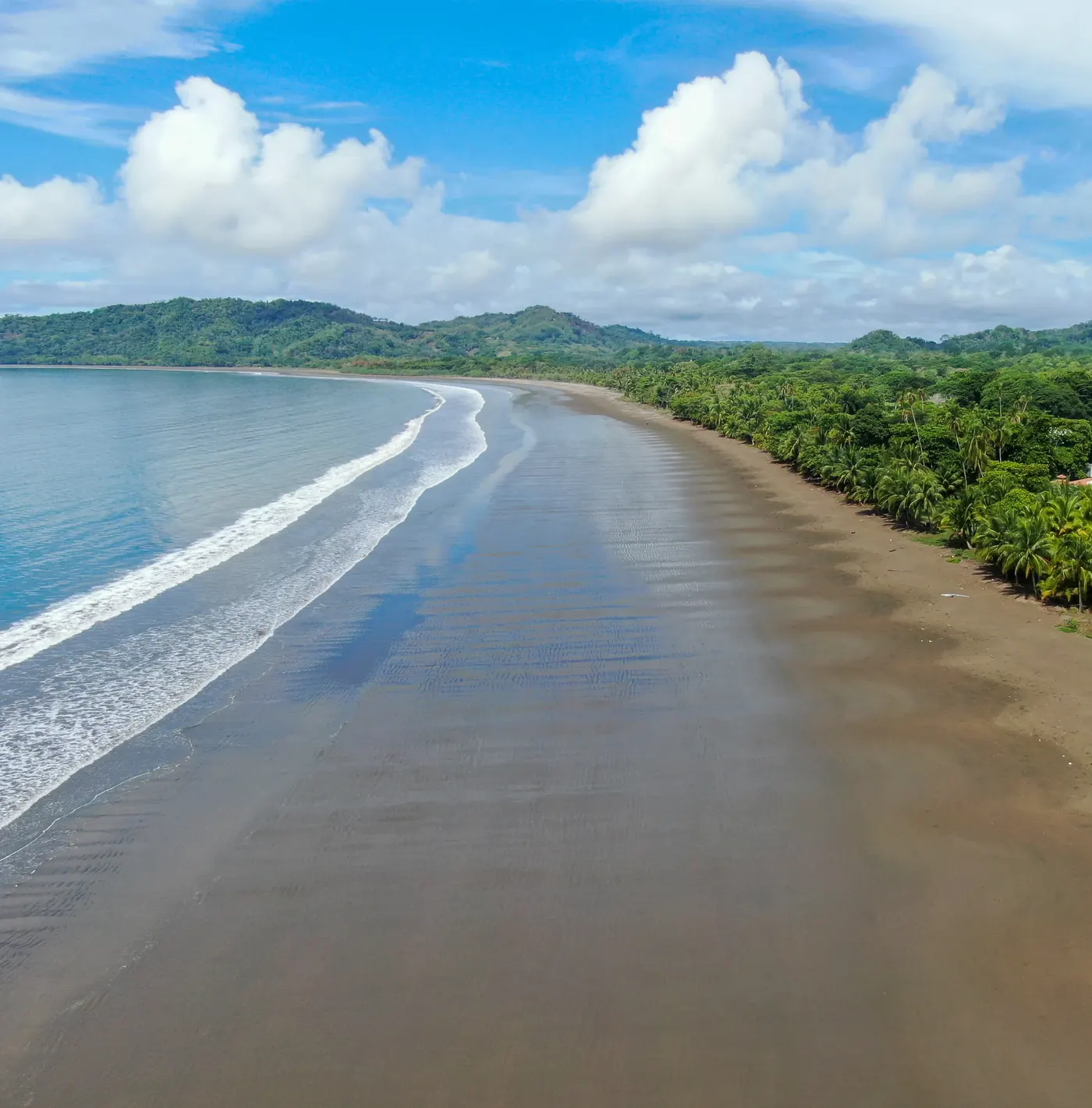
Under Costa Rica's Maritime Terrestrial Zone Law (Ley sobre la Zona Marítimo Terrestre No. 6043), the first 50 meters of coastline above the high-tide mark—and every river across the country—is public national property (Zona Pública). No hotel, resort, or gated community can legally block public foot access to a beach or charge you an admission fee to walk on the sand unless the beach lies inside a congressionally designated SINAC National Park (such as Manuel Antonio or Marino Ballena).
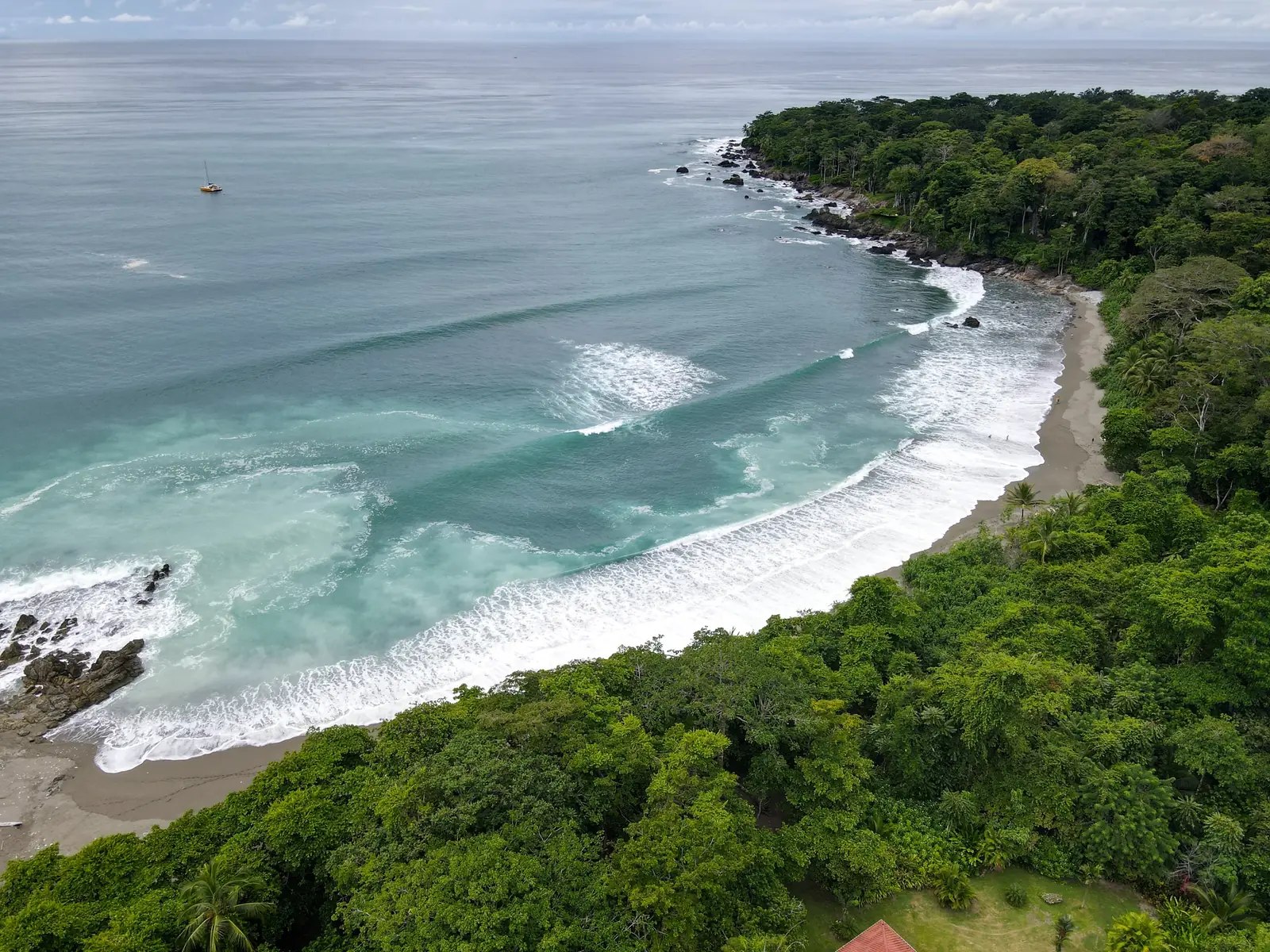
That single law unlocks dozens of world-class coastal days for $0: from calm Playa Biesanz and Playa Espadilla North in Manuel Antonio, to palm-lined Playa Carrillo south of Sámara, volcanic Playa Ocotal south of Playas del Coco, and the turquoise coral coves of Punta Uva and Playa Chiquita on the Caribbean.
2. La Fortuna & Monteverde: Free Hot Springs, Rope Swings & Hollow Strangler Figs
In La Fortuna, pair your paid volcano or hanging-bridges excursion with two famous $0 staples: (1) walk 20 minutes south of Central Park to the El Salto Rope Swing beneath the Route 702 bridge ($0 admission, open daylight hours) to swim in clear Fortuna River canyon pools; and (2) split a $10–$12 taxi four ways with hostel friends out to the Tabacón bridge on Route 142 to soak in Río Chollin (El Choyín), a 100% free natural thermal river heated by Arenal Volcano.
Up in Monteverde and Santa Elena, walk 20 minutes from town to Ficus La Raíz to climb inside the natural hollow latticework of a towering strangler fig tree ($0 or $2 local maintenance box), hike the free sunset viewpoint at Cerro Plano Mirador looking across the Gulf of Nicoya, and present a valid student ID at Santa Elena Cloud Forest Reserve to cut your admission in half from $18 to $9.
Compare Verified Hostels & Tours for This Route
Check live dorm and private-room rates alongside verified Viator and GetYourGuide excursions with upfront tax and park-ticket transparency.
3. Caribbean Coast (Puerto Viejo & Cahuita): Voluntary-Donation National Parks & Bike Trails
The Southern Caribbean is the undisputed champion of low-cost wildlife spotting in Costa Rica. Hop on the ₡800 ($1.50) MEPE bus from Puerto Viejo for 20 minutes to Cahuita town and walk two blocks to the Kelly Creek entrance of Cahuita National Park. Unlike the Puerto Vargas vehicle entrance (which charges a standard non-resident fee), the community-co-managed Kelly Creek pedestrian gate welcomes visitors for a voluntary donation (~$5 USD suggested). Along its flat 8-kilometer coastal path between white sand and rainforest, you will regularly spot three-toed sloths, white-faced capuchin monkeys, coatis, and blue morpho butterflies on your own.
Back in Puerto Viejo, rent a $6/day beach cruiser bicycle and pack a supermarket picnic for the 13-kilometer coastal ride through Playa Cocles, Playa Chiquita's natural coral pools, Punta Uva's palm headland, and the Gandoca-Manzanillo trail.
4. Central & South Pacific (Jacó, Manuel Antonio & Uvita): Crocodile Bridges, Whale's Tail & Waterfall Slides
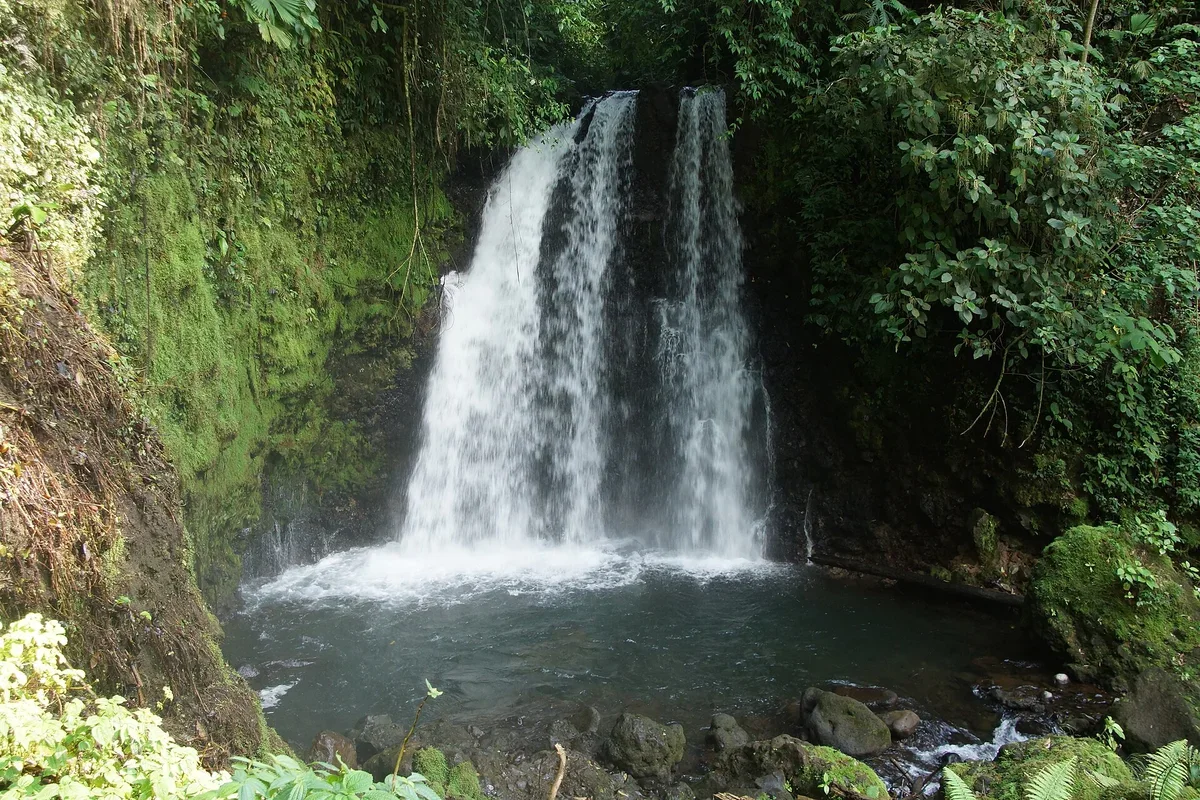
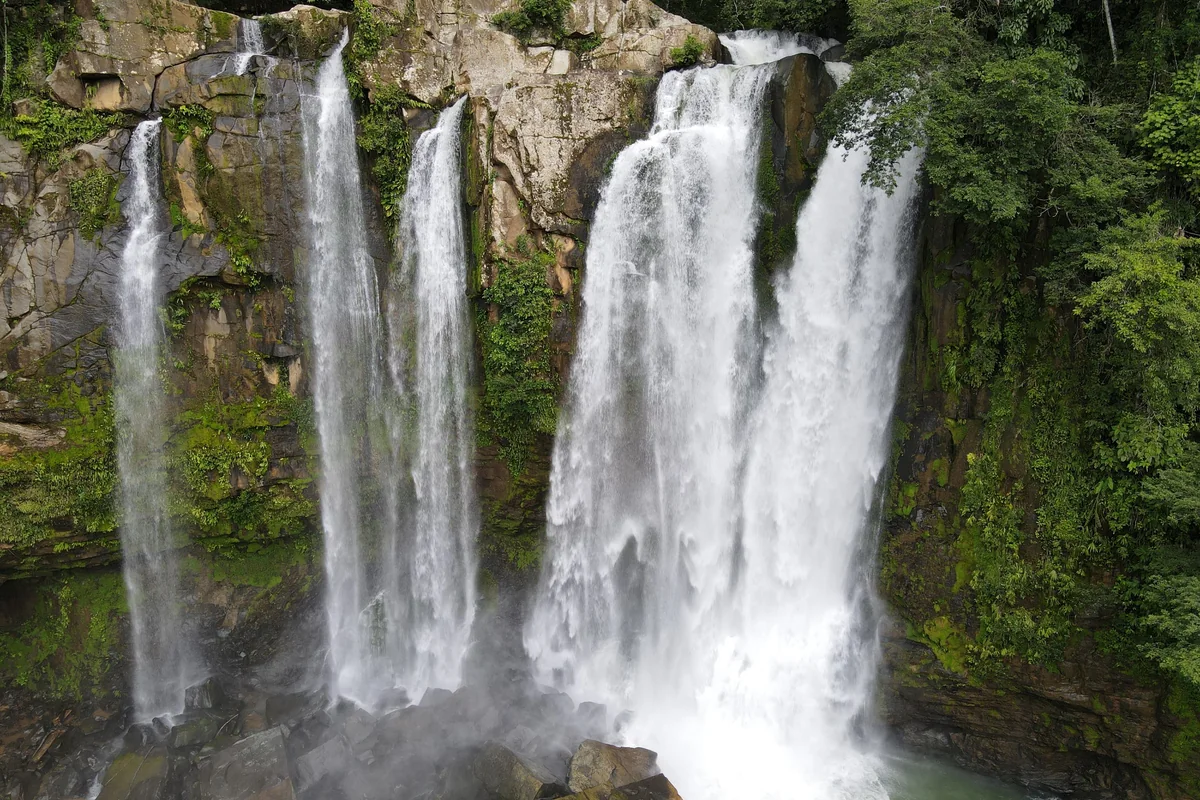
Traveling down the Costanera Sur (Route 34) offers several memorable stops under $7: • Río Tárcoles Crocodile Bridge ($0): Stop above the Route 34 highway bridge over the Tárcoles River north of Jacó to look down from the pedestrian walkway at dozens of 3- to 4-meter American crocodiles sunning on the mudbanks for free. • El Miro Ruins Viewpoint in Jacó ($0): Hike the free paved-and-gravel jungle path at the south end of Jacó up to abandoned hillside ruins covered in street art with panoramic views of Jacó Bay and scarlet macaws flying overhead. • Marino Ballena National Park Whale's Tail in Uvita ($6.78 SINAC ticket): Buy your $6 + IVA ticket online at sinac.go.cr and enter within two hours before or after low tide to walk nearly a kilometer out into the ocean along the natural rock-and-sand Whale's Tail tombolo. • Catarata Uvita ($4 / ₡2,000): Pay ₡2,000 at the community gate in upper Uvita to swim in emerald jungle pools, slide down a natural smooth waterfall chute, and walk through a towering golden bamboo forest.
5. Guanacaste & Nicoya Peninsula: Shore Snorkeling, Tide Pools & Turtle Refuges
In North Guanacaste, walk 40 minutes south of Playas del Coco to black-sand Playa Ocotal ($0) with your own snorkel mask to see parrotfish and pufferfish around the northern volcanic rocks at high tide, or split a cheap ride from Liberia to Llanos de Cortés Waterfall (~$7 community entry fee going to local schools in Bagaces). On the Nicoya Peninsula, walk the 25-minute crescent from downtown Sámara to undeveloped Playa Carrillo ($0), or follow the coastal forest path in Nosara from Playa Guiones to Playa Pelada's rocky blowhole (La Bocana) at incoming tide ($0).
Frequently Asked Questions
Do I need to book SINAC national park tickets online in advance?
Yes—for Manuel Antonio ($18.08), Marino Ballena in Uvita ($6.78), Carara ($11.30), and Poás Volcano ($16.95), tickets must be purchased online at serviciosenlinea.sinac.go.cr with your passport number and credit/debit card before arriving at the ranger gate.
Are roadside parking attendants ('wachimanes') official park rangers?
No. Men in reflective vests waving flags along the road outside Manuel Antonio, Río Chollin, or beaches are informal street parking attendants ('wachimanes'). If you arrive on foot or by public bus/taxi, simply smile, say 'Vamos a pie, gracias' (We're on foot, thank you), and walk straight to the official SINAC ranger booth.
What items are banned inside Costa Rica SINAC national parks?
Manuel Antonio, Marino Ballena, and several other SINAC parks strictly prohibit single-use plastics (disposable water bottles, chip bags, plastic wrappers) and prepared outside food to protect monkeys and raccoons. Always carry a reusable metal or hard-plastic water bottle.